AMSOIL OE Synthetic Motor Oil is specially made for the extended oil change intervals recommended for your 1981 Pontiac Firebird 4.4L engine. It has advanced synthetic technology that resists chemical breakdown for maximum wear protection for your vehicle which is well beyond the traditional 3,000-mile oil change interval. Get the best synthetic oil now for your Pontiac Firebird.
With filter 5 quarts After refill check oil level.
This filter is for your 1981 Pontiac Firebird and is designed to last up to 25k (normal conditions) or 15k miles (severe conditions) or 1 year, whichever comes first.
Recommended transmission fluids for my 1981 Firebird
Product Name
Note
Capacities
Product Description
Product
SEVERE GEAR® 80W-90
Manual Transmission Fluid
(1) In Canada use 80W.
4-SPD 3.6 pints
This lube is made to exceed the requirements of equipment and all vehicles that require SAE 80W-90 viscosity. It is made with synthetic base oils and top additives without adding any wax. Amsoil Severe Gear is solid against thermal breakdown. Will give you awesome protection for bearings and gears and tough against heat which will help extend the life of your equipment and avoid costly repairs. Made in the U.S.A.
This special formula is made for harsh operating conditions that pick-up trucks endure. Also top-notch protection for SUVs, heavy equipment, and other heavy-duty vehicles. Made in the USA.
This is a fantastic lubricant for towing trailers, heavy duty hauling, off road driving/4x4, commercial applications, and for race enthusiasts. This severe gear lube will protect bearings, gears from friction and exceeds performance of any regular gear oil out there!
Keep your truck or vehicle out of the shop and avoid costly repairs with this made in the USA lube.
Signature Series Fuel-Efficient Synthetic Automatic Transmission Fluid
Automatic Transmission Fluid
(1) This specification has been updated from Dexron II or III to Dexron VI per a Technical Service Bulletin from the manufacturer
3 speed THM200C Total Fill 9.4 quarts
3.5 quarts Initial Fill
3 speed THM350 Total Fill 10 quarts
3 quarts Initial Fill
3 speed THM350C Total Fill 10 quarts
3 quarts Initial Fill
If a lighter viscosity is needed then this automatic transmission fluid provides top-notch protection! Recommended for Toyota, Ford, and General Motors transmissions. You will get the same awesome protection as Amsoil's Signature Series Multi-Vehicle automatic transmission fluid. Also recommended for vehicles that need GM DEXRON® VI, Ford MERCON® LV and SP, Honda DW-1, Nissan Matic-S, and Toyota WS fluid specifications.
Automatic Transmission Fluid
(1) This specification has been updated from Dexron II or III to Dexron VI per a Technical Service Bulletin from the manufacturer
3 speed THM200C Total Fill 9.4 quarts
3.5 quarts Initial Fill
3 speed THM350 Total Fill 10 quarts
3 quarts Initial Fill
3 speed THM350C Total Fill 10 quarts
3 quarts Initial Fill
Outstanding protection and resists varnish! Change interval based on your Firebird owner's manual.
(1) Limited slip identification: tag under cover-attaching bolt. Models with limited slip use 4 oz GM P/N 1052358 additive or equivalent when fluid is changed.
Rear 4.2 pints
This lube is made to exceed the requirements of equipment and all vehicles that require SAE 80W-90 viscosity. It is made with synthetic base oils and top additives without adding any wax. Amsoil Severe Gear is solid against thermal breakdown. Will give you awesome protection for bearings and gears and tough against heat which will help extend the life of your equipment and avoid costly repairs. Made in the U.S.A.
(1) Limited slip identification: tag under cover-attaching bolt. Models with limited slip use 4 oz GM P/N 1052358 additive or equivalent when fluid is changed.
Rear 4.2 pints
This special formula is made for harsh operating conditions that pick-up trucks endure. Also top-notch protection for SUVs, heavy equipment, and other heavy-duty vehicles. Made in the USA.
(1) Limited slip identification: tag under cover-attaching bolt. Models with limited slip use 4 oz GM P/N 1052358 additive or equivalent when fluid is changed.
Rear 4.2 pints
This is a fantastic lubricant for towing trailers, heavy duty hauling, off road driving/4x4, commercial applications, and for race enthusiasts. This severe gear lube will protect bearings, gears from friction and exceeds performance of any regular gear oil out there!
Keep your truck or vehicle out of the shop and avoid costly repairs with this made in the USA lube.
maximum protection for your 1981 Pontiac Firebird under extreme temperatures and operating conditions! Lasts up to 150,000 miles or five years! (whichever comes first)
Engine Lubrication and Maintenance for the 1981 Pontiac FIREBIRD 4.4L
Maintaining the lubrication system of a 1981 Pontiac FIREBIRD with the 4.4L engine requires consistent attention to fluid condition and component integrity. Because this vehicle is an older model, service priorities often shift from simple scheduled changes to more detailed inspections of how various components are holding up under long-term use.
Monitoring Fluid Integrity and Potential Leaks
One of the most effective ways to monitor the health of the 4.4L engine is through regular visual inspections for fluid seepage. Over time, various gaskets and seals may experience changes in their ability to maintain a tight seal. When performing routine maintenance, it is helpful to look closely at the areas where the engine meets other major components.
If you notice any wetness or dark staining around sealing surfaces, this can be an early indicator that a gasket or seal may require attention. It is important to distinguish between minor surface seepage and active leaks. An active leak—one where fluid is actively dripping or forming significant pools—warrants more immediate investigation than a light film of oil on a component's exterior.
Additionally, checking the appearance of the engine oil itself can provide useful information. While oil naturally darkens over time due to use, an extremely thin consistency or a very unusual odor might indicate that the lubricant has been compromised by other fluids or excessive heat. If you observe any changes in how the oil behaves or looks, it is wise to investigate the cause rather than simply adding more fluid.
Observing Signs of Lubrication Changes
When driving or idling the vehicle, certain symptoms can serve as indicators that the lubrication system needs a closer look. While many issues have multiple potential causes, being aware of these signs helps in establishing a proactive maintenance routine.
Changes in Fluid Consumption: If you find yourself needing to check and top off the oil more frequently than in previous months, this change in consumption should be noted. Frequent topping off can be associated with various factors, ranging from minor seal seepage to other internal engine conditions.
Unusual Mechanical Noises: Any new or persistent sounds coming from the engine area during startup or operation should be investigated. While some noise is expected in older engines, sudden changes in sound can sometimes be linked to how the engine is being lubricated.
Warning Indicators: If your vehicle is equipped with oil-related warning lights or indicators on the dashboard, these require immediate attention. A warning light should never be ignored, as it often signals that a system parameter has moved outside of its normal operating range.
It is essential to remember that a single symptom does not provide a definitive diagnosis. For example, an unusual odor might indicate oil contacting a hot surface rather than a specific internal failure. Always treat these signs as prompts for a thorough inspection.
Prioritizing Long-Term Engine Care
As a vehicle ages, the strategy for maintenance should evolve from following a generic schedule to managing the actual condition of the machine. For an owner of a 1981 Pontiac FIREBIRD, this means moving toward a more personalized maintenance baseline.
If you do not have a complete history of previous repairs and fluid changes, your first priority should be to establish a clear record of the vehicle's current state. This involves documenting when the oil was last changed, what type of lubricant was used, and any observations made during inspections. Having this data allows you to identify trends—such as a gradual increase in oil consumption or a recurring minor leak—before they become significant issues.
When deciding where to focus your maintenance efforts, address active concerns first. If there is evidence of an active leak or if the engine has shown signs of unusual behavior, these should take precedence over general preventive tasks. Distinguishing between necessary repairs and unnecessary parts replacement is key to efficient ownership; focus on components that are showing actual signs of wear or deterioration rather than replacing parts simply because they have reached a certain age.
Inspecting Related Engine Components
A comprehensive look at the engine bay during an oil service provides an opportunity to check other vital systems. While the lubrication system is a primary focus, its performance is often tied to the condition of surrounding components.
If equipped, inspect accessible drive belts for signs of cracking, glazing, or fraying. Similarly, if the vehicle has various rubber hoses present, check them for softness, brittleness, or visible leaks at their connection points. Maintaining these auxiliary components helps ensure that the engine operates within its intended parameters, which indirectly supports the overall health of the lubrication system.
Furthermore, checking the condition of electrical connections and wiring near the engine can be beneficial. Corroded or loose connections can sometimes lead to erratic sensor readings or other issues that might be misinterpreted as mechanical problems. A clean and secure electrical environment is a fundamental part of reliable engine operation.
Selecting Lubricants for the 4.4L Engine
When it comes to choosing an oil, there are several formulations available in the modern market. While this vehicle was manufactured decades ago, you can still utilize contemporary lubricant technologies to support its maintenance.
Some owners choose conventional oils, while others opt for synthetic blends or full synthetic formulations. Synthetic oils are often noted for their thermal stability and resistance to oxidation. For engines that have been in service for a long time, some high-mileage oil formulations contain additives intended for use in aging engines, including seal-conditioning additives that may help manage minor seepage.
Regardless of the type of oil you select, always ensure it meets the appropriate API certification for your needs. Checking the product label carefully before purchase is the best way to ensure you are getting a quality lubricant that is compatible with your specific application.
Practical Advice for Buying Engine Oil for your 1981 Pontiac FIREBIRD 4.4L
To ensure the longevity and proper operation of your engine, always match the engine oil to the application-specific viscosity information already displayed on this webpage. Do not rely on general automotive knowledge or assumptions based on the vehicle's age to determine which grade is appropriate.
When you are ready to purchase your supplies, verify that the product packaging clearly states the specifications required for your 4.4L engine. Whether you decide on a conventional, synthetic blend, or high-mileage formulation, the most critical factor is adhering to the specific application details provided in the technical data above. Always check the labels of the products you intend to buy to confirm they align with these requirements.
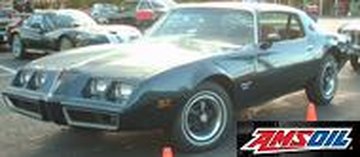
Vehicle photograph from our catalog. Appearance may differ by model or trim.
If you're looking for another year, make or model instead of this 1981 Pontiac FIREBIRD motor oil, try one of these similar models below. We try to keep one page for each model vehicle.